
A Factory for the Difficult Battery: Bryan Oh’s Lithium Recovery Bet
Bryan Oh is moving a Singapore battery-recycling technology from laboratory promise into the demanding economics of industrial production.
Nomination Stories · Southeast Asia · Featured Leader
Ailytics uses computer vision to flag hazards in existing CCTV footage. Co-founder and CEO Lenard Tan is selling an operational tool into industries that have good reasons to be cautious about new technology.
GCEIP Editorial Desk ·
Editorial. Published by the GCEIP editorial desk under our editorial policy. An editorial story does not make its subject an award recipient.

On a large construction site, safety teams must watch people, machinery and changing work zones. The video cameras may already be installed, but the footage can be difficult to monitor continuously. A supervisor cannot watch every feed while also managing the rest of the site.
Ailytics builds computer-vision software that analyses existing CCTV feeds and flags possible safety risks or operational events. The Singapore company was founded in 2021 by Lenard Tan Wei Zhuang and co-founder Prateek Manocha. Tan, who is known professionally as Lenard, is its co-founder and CEO. The idea is to add an intelligence layer to infrastructure that industrial customers already use.
That positioning matters commercially. Asking a customer to install a new network of cameras can add cost and slow adoption. Integrating with existing systems may lower the barrier, though it does not remove the need to assess data governance, camera coverage, false alerts and how staff respond. A warning is useful only if it reaches someone able to act on it.
In a 2024 interview with The Business Times, Tan described how hard it was to persuade construction firms to adopt AI when the founders had limited experience in the sector. Customers questioned whether a young technology team understood site work. Ailytics had to demonstrate the software in environments where hazards are varied and conditions change from hour to hour.
The company’s system is designed to identify events such as missing protective equipment or people entering hazardous zones. The Business Times reported that Ailytics said its software detected more than 32,000 potential hazards across more than 80 work sites in 2023. The article also reported deployments at 122 sites in six markets by September 2024. These were company-provided operating figures; “potential hazard” does not mean a confirmed injury prevented, and the distinction should remain clear.
In April 2024, Ailytics raised US$2.7 million in a pre-Series A funding round led by Tin Men Capital, according to The Business Times. The company said it would use the capital to expand across markets and develop its analytics. A later 2026 company-issued release reported a US$7.4 million Series A and more than 400 deployments in 15 countries. Ailytics is now describing a broader industrial product for construction, manufacturing, logistics and other heavy sectors.
The business case is not simply that software can recognise objects. Industrial customers need to know whether alerts reduce missed risks, improve response time or help teams allocate inspections more effectively. Each site has its own camera angles, lighting, safety rules and work routines. Models must work under those conditions, and people need to know when to trust or challenge a notification.
There is also a human question. Monitoring tools can help managers see patterns that are hard to spot manually, but they can create concerns about worker surveillance. A responsible deployment needs clear purposes, access controls and policies for how footage and alerts are used. The customer’s choices around those safeguards are part of the technology’s real-world impact.
Tan’s leadership task is to bridge two worlds: software teams that build vision models and operations teams that carry responsibility for safety. The company’s customer work, deployments and funding show commercial momentum. Long-term value will depend on measurable outcomes and durable trust across users, workers and buyers.
Ailytics is an example of industrial AI entering through a practical door: use the cameras already on site, then help teams notice events sooner. Tan’s next test is to show where machine analysis makes work safer or more efficient, with transparent measures and respect for workers. The more the product expands beyond construction, the more its credibility will depend on proving that an alert is accurate, actionable and worth the attention it demands.
If this story is about you or your company, you are welcome to link to it. Copy either snippet below into your website, press page, email signature or post.

Featured within GCEIP’s Transformational Leaders & Enterprises™ ecosystem.
Know a leader or enterprise like this? Nominate them for Transformational Leaders & Enterprises™, in Barcelona or London. Nominations for Dubai are closed.
Bryan Oh is moving a Singapore battery-recycling technology from laboratory promise into the demanding economics of industrial production.
At Singapore's Augmentus, Daryl Lim is addressing a problem that has kept industrial automation out of many workshops: the time and specialist knowledge needed to program robots for changing tasks.
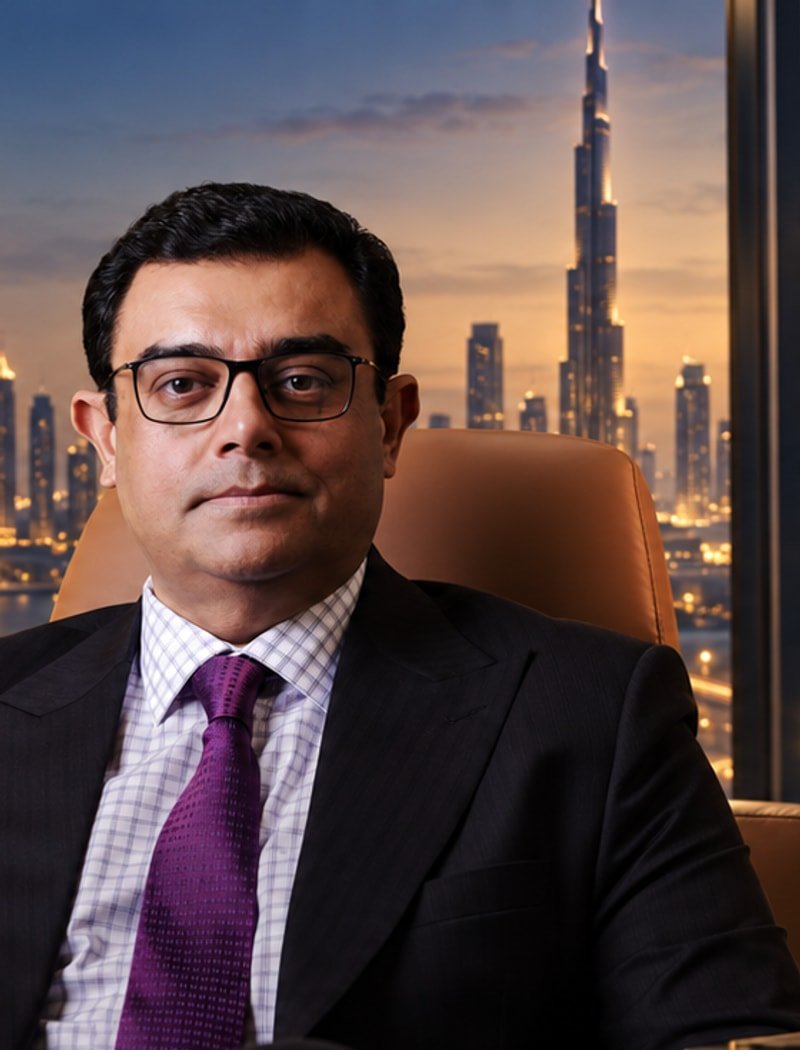 Imran Farooq · SAMANA Developers
From resort-style apartments and private pools to international expansion, branded residences and vertical integration, Imran Farooq has turned SAMANA Developers into one of Dubai’s fastest-rising property businesses — and is now building for a much larger stage.
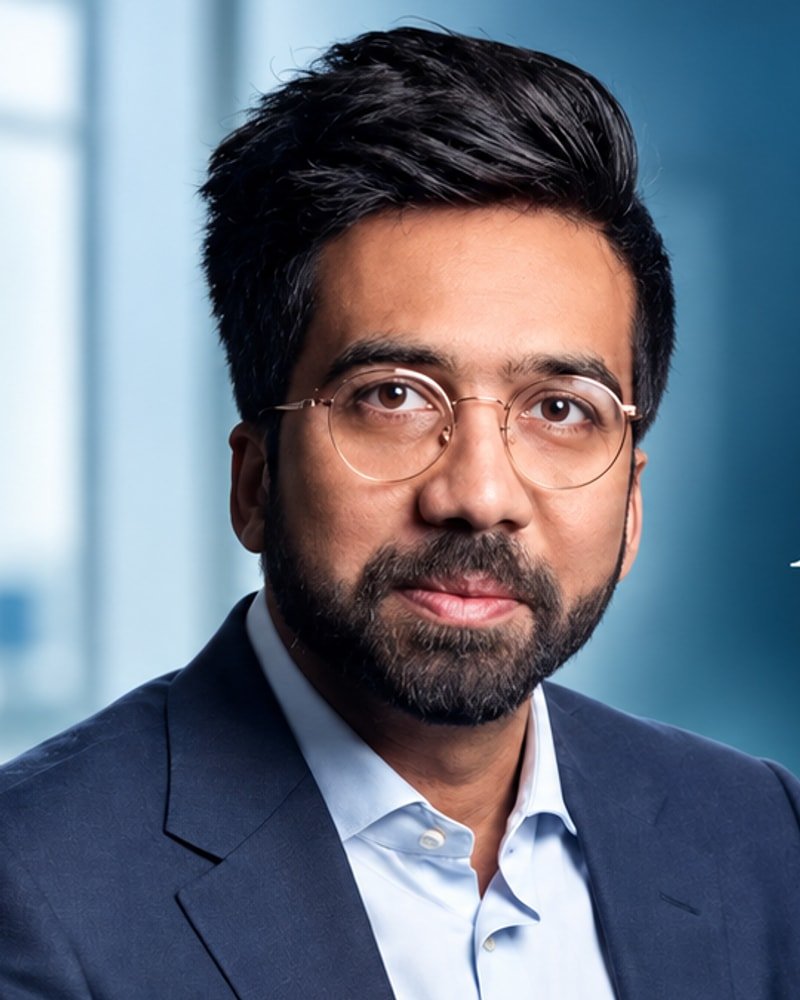 Aman Mehta · Torrent Pharmaceuticals
From strengthening India’s chronic-therapy leadership to integrating major acquisitions and shaping a broader growth agenda, Aman Mehta is emerging as one of the key next-generation leaders in Indian pharmaceuticals.
Choose an assistant to explore this page further.
Opens in a new tab. You can also copy the prompt into your assistant.