
From Student App to School System: Shahir Chowdhury’s Shikho Pivot
A November 2026 investment supports Shikho’s planned move from consumer exam preparation into technology for institutions and teachers.
Nomination Stories · South Asia · Featured Leader
iFarmer links finance, agricultural inputs, advice and routes to market in one platform. Co-founder Fahad Ifaz is building a business around the needs of farmers who are often underserved by formal systems.
GCEIP Editorial Desk ·
Editorial. Published by the GCEIP editorial desk under our editorial policy. An editorial story does not make its subject an award recipient.

Farmers need inputs before a crop is planted, financing while it grows, advice when conditions change and a buyer when it is ready. These needs are connected, but they often sit in separate systems. A farmer may have land and experience yet still lack affordable credit, reliable information or a route to market that pays fairly.
iFarmer was created to bring more of those services together in Bangladesh. Its co-founder Fahad Ifaz and co-founder Jamil M. Akbar began developing the business through Youth Co:Lab Bangladesh in 2018, according to a 2026 UNDP startup profile. The platform works across agritech, finance and supply chains. Its stated aim is to support farmers throughout the production cycle rather than sell a single digital tool.
The business model depends on data and partnerships. If a platform can understand a farmer’s activity and expected production, it may help lenders assess credit or help buyers plan supply. But agricultural finance has real risks: weather, crop prices and local conditions can alter a borrower’s ability to repay. Data can inform a decision, not make uncertainty disappear.
UNDP’s 2026 profile says iFarmer had supported 307,760 farmers and that five banks were offering collateral-free financing using its data-driven credit scoring. It also reports lower farming costs and higher yields for farmers using integrated financing, inputs and market links. Those are programme figures presented by UNDP from the company’s profile; they should be treated as reported outcomes rather than independently audited impacts.
The same profile identifies several stages in iFarmer’s development. It received early support through Youth Co:Lab in 2018, raised a US$2.1 million pre-Series A round in 2022, and later secured a Series A led by Razor Capital. In 2025, the company obtained a US$500,000 loan through the Pioneer Facility and piloted Krishi Master, an AI-supported advisory service, in three districts with stronger connectivity. Each milestone adds a different layer: capital to grow, finance for operations and a test of how digital advice performs in selected areas.
The service’s reach is a significant question. A pilot in better-connected districts can help a company test a new product, but the farmers who stand to benefit most may live where connectivity is weaker. The product must work with the devices, language and support available to its intended users. Human networks remain essential when a farmer needs help interpreting information or resolving a problem.
iFarmer’s integrated approach creates a demanding operating model. Credit, inputs, crop advice and sales channels must coordinate around agricultural timelines. If one element arrives late, the value of the others can fall. The company’s ability to serve farmers at scale therefore depends on local partners, good data and operational discipline as much as software.
For Ifaz, the leadership task is to hold together a broad value chain without making the product difficult to navigate. Farmers should be able to understand what they are receiving, what it costs and what obligations they take on. Lenders and buyers need data they can trust. The company, in turn, must demonstrate that service economics can support continued operations.
The strongest version of the model would make essential services easier to access while giving farmers a clear view of their options. It would also report outcomes carefully, by crop and location, rather than applying a single success figure to a diverse farming population.
iFarmer is building around a real coordination challenge: farmers need more than one kind of support over the course of a season. Ifaz’s opportunity is to make those services reliable and understandable while the platform expands. The next proof point is transparent, independently checked evidence about farmer costs, yields, repayments and income across different locations. That evidence will show whether integration is improving the business of farming in a durable way.
If this story is about you or your company, you are welcome to link to it. Copy either snippet below into your website, press page, email signature or post.

Featured within GCEIP’s Transformational Leaders & Enterprises™ ecosystem.
Know a leader or enterprise like this? Nominate them for Transformational Leaders & Enterprises™, in Barcelona or London. Nominations for Dubai are closed.
A November 2026 investment supports Shikho’s planned move from consumer exam preparation into technology for institutions and teachers.
From software engineering in the United States to electric-motorcycle manufacturing in Vietnam, Nguyen Ba Canh Son has taken Dat Bike from an early engineering bet into a growing mobility business. Its next test is scale.
 Imran Farooq · SAMANA Developers
From resort-style apartments and private pools to international expansion, branded residences and vertical integration, Imran Farooq has turned SAMANA Developers into one of Dubai’s fastest-rising property businesses — and is now building for a much larger stage.
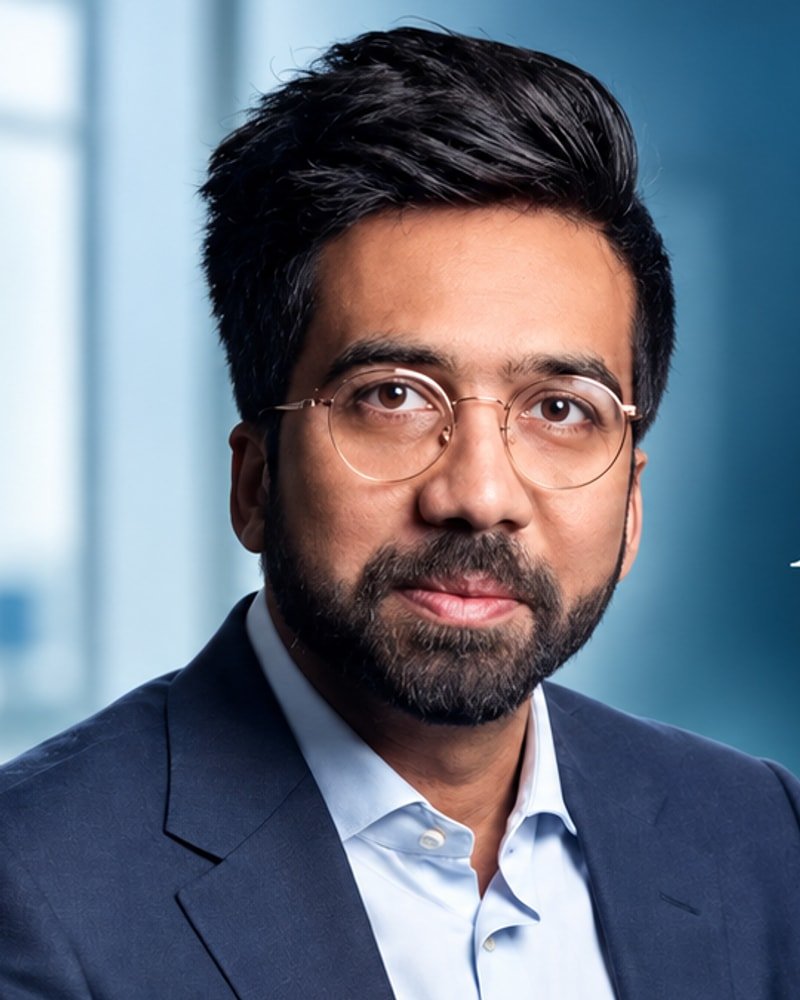 Aman Mehta · Torrent Pharmaceuticals
From strengthening India’s chronic-therapy leadership to integrating major acquisitions and shaping a broader growth agenda, Aman Mehta is emerging as one of the key next-generation leaders in Indian pharmaceuticals.
Choose an assistant to explore this page further.
Opens in a new tab. You can also copy the prompt into your assistant.