
Beyond the Loan: Andi Taufan and the Next Test of Rural Finance
Amartha's founder is expanding a rural lending business into investment and payment services. Credit quality and the experience of borrowers remain central to that expansion.
Nomination Stories · Southeast Asia · Featured Leader
Rekosistem connects households, waste workers, businesses and recycling operators through collection services and material-recovery infrastructure. Co-founder Ernest Layman is building for a sector where every handoff matters.
GCEIP Editorial Desk ·
Editorial. Published by the GCEIP editorial desk under our editorial policy. An editorial story does not make its subject an award recipient.

Waste management is not one transaction. Material has to be separated, collected, transported, sorted and sold or processed. A missed handoff can send recyclable material to a landfill; a collection service that cannot document its route may struggle to show a customer what happened after pickup.
Ernest Layman and co-founder Joshua Valentino started Rekosistem in Indonesia in 2021 to coordinate more of that chain. The Jakarta-based climate-tech company combines collection, sorting, treatment and processing with a digital operating system. Its model connects households and businesses with waste workers, material recovery facilities and downstream recycling industries.
Layman is the company’s CEO and co-founder. Rekosistem’s press materials describe his earlier work in commercial and sustainability roles at Procter & Gamble and identify him as an industrial engineering graduate. That background offers a useful lens on the company: the task is to make a fragmented service legible enough for participants to coordinate, while still moving physical material at a viable cost.
Rekosistem’s offering includes waste collection for households and businesses, waste stations and facilities that process materials. The software layer can record activity and connect different actors, but the company still depends on people, vehicles, sorting capacity and reliable buyers. This is a logistics business with a technology component, not a digital platform detached from its physical work.
In May 2025, DealStreetAsia reported that Rekosistem raised US$7 million in a Series A round led by Saratoga Investama Sedaya and K3 Ventures, with other investors participating. Forbes Asia included the company in its 2025 100 To Watch list, describing a service that collects, sorts, recycles and tracks waste for Indonesian customers. The funding gives context to the company’s growth plans; it does not, on its own, show that the operating model is profitable or that every collected tonne was recycled.
Rekosistem’s own current press kit reports more than 200 business clients, 15 Reko Hubs, 40 Reko Waste Stations and over 600 partner locations. It also reports cumulative volumes for waste handled and recycled. Those figures are company-reported, and their definitions matter: “managed” waste can include material handled through multiple service stages, while “recycled” should be understood as a narrower outcome. A careful reader should not treat the two as interchangeable.
Scaling across an archipelago creates operational complexity. A service designed for Jakarta may need different partners, collection routes and processing arrangements elsewhere. Corporate customers may ask for traceability and reporting; households may care more about convenience and clear instructions. The company needs both reliable field operations and data customers can trust.
This is where Layman’s business challenge becomes concrete. A waste-management system is only as strong as the weakest stage. More pickup points do not ensure that materials reach a suitable processor. Better reporting does not make low-value waste commercially attractive. The work is to connect service design, local logistics and end markets so that responsible handling can become routine rather than a special project.
Rekosistem is trying to make a complex chain visible and manageable. Its next chapter will depend on transparent measures: how much material is collected, how much is recovered for reuse or recycling, what remains residual, and how its services work economically for customers and waste workers. Layman’s leadership can be judged by whether the network keeps those distinctions clear as it grows. In circular business, credibility begins with knowing where the material actually goes.
If this story is about you or your company, you are welcome to link to it. Copy either snippet below into your website, press page, email signature or post.

Featured within GCEIP’s Transformational Leaders & Enterprises™ ecosystem.
Know a leader or enterprise like this? Nominate them for Transformational Leaders & Enterprises™, in Barcelona or London. Nominations for Dubai are closed.
Amartha's founder is expanding a rural lending business into investment and payment services. Credit quality and the experience of borrowers remain central to that expansion.
MAKA Motors' first electric motorcycle reached the market in 2025. Founder Raditya Wibowo now faces a more complicated challenge: converting local engineering and consumer insight into a trustworthy vehicle business.
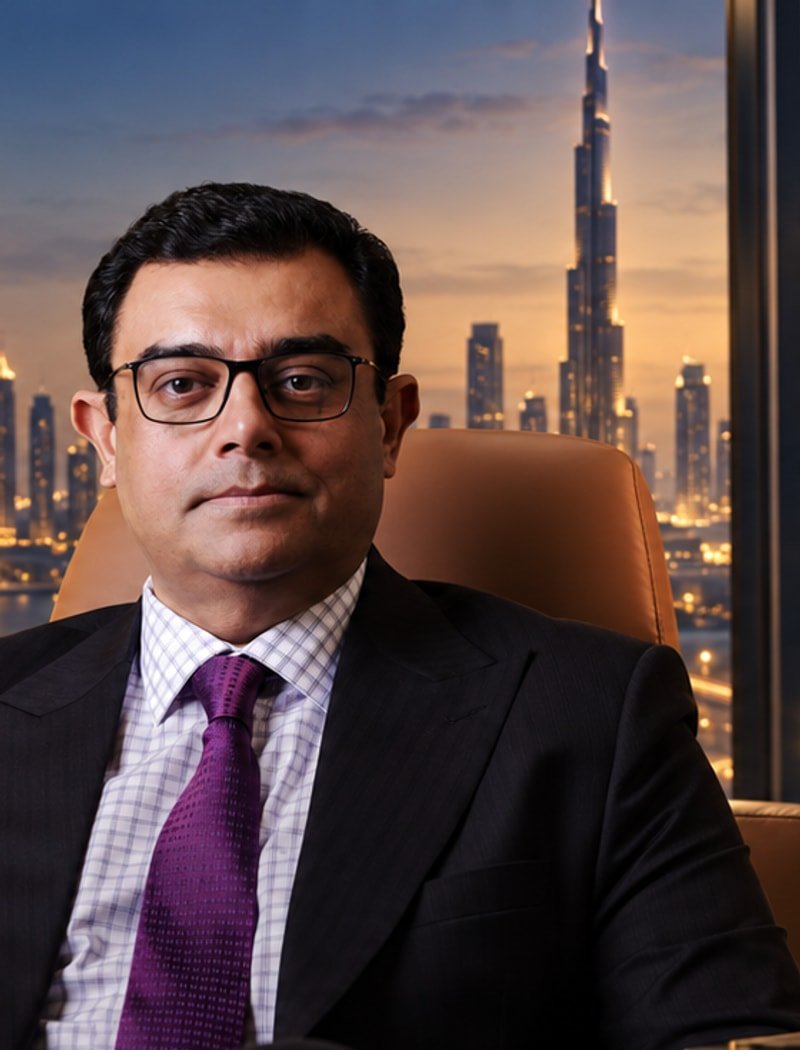 Imran Farooq · SAMANA Developers
From resort-style apartments and private pools to international expansion, branded residences and vertical integration, Imran Farooq has turned SAMANA Developers into one of Dubai’s fastest-rising property businesses — and is now building for a much larger stage.
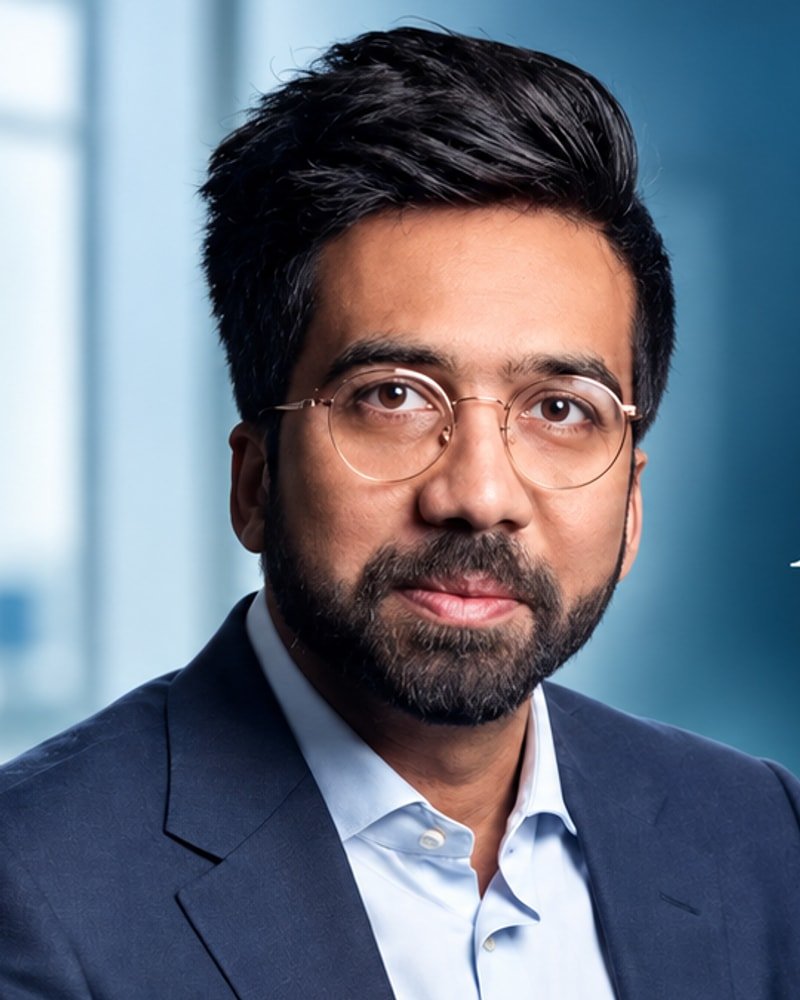 Aman Mehta · Torrent Pharmaceuticals
From strengthening India’s chronic-therapy leadership to integrating major acquisitions and shaping a broader growth agenda, Aman Mehta is emerging as one of the key next-generation leaders in Indian pharmaceuticals.
Choose an assistant to explore this page further.
Opens in a new tab. You can also copy the prompt into your assistant.