
Two Roofs, One Mission: Raj Ridvan Singh and Malaysia’s Solar Divide
SOLS Energy builds residential solar systems while expanding electricity access and technical employment in underserved Malaysian communities.
Nomination Stories · Southeast Asia · Featured Leader
Carbon accounting can feel abstract until a supplier must report emissions to a customer or lender. At Pantas, co-founder Nurul Syaheedah Jes Izman is helping turn that information into a working business process.
GCEIP Editorial Desk ·
Editorial. Published by the GCEIP editorial desk under our editorial policy. An editorial story does not make its subject an award recipient.

For a company trying to understand its emissions, the first obstacle is often not a lack of ambition. It is the work of collecting information from offices, factories, fleets, energy bills and suppliers, then making the figures consistent enough to use. If that process is slow or confusing, climate reporting becomes a yearly scramble rather than a management tool.
Pantas Climate Solutions builds software for that job. The Malaysia-based company offers carbon accounting and climate-management tools, including measurement across Scope 1, 2 and 3 emissions. Its founders are Max Lee, Nurul Syaheedah Jes Izman and Eong Tat Ooi. Syaheedah is the company’s co-founder and chief operating officer, a role that puts operational delivery at the centre of the story: software must work across the different systems and levels of climate knowledge found in customer organisations.
Pantas describes its broader purpose as helping businesses and financial institutions measure, manage and report emissions. That involves more than producing a single carbon total. Companies need to understand what sits within their direct operations, what comes from purchased energy and what lies in their supply chains. The third category is often the least visible, because the data sits with suppliers and partners.
One early example of Pantas extending beyond a dashboard was its Greening Value Chain programme. The company says the programme launched in 2022 with Kossan Rubber Industries and AmBank to help suppliers work on decarbonisation. The logic is practical: a large company cannot reduce value-chain emissions without engaging the businesses that provide its materials and services.
That same logic appeared in a 2026 partnership involving Hong Leong Islamic Bank and Bank Negara Malaysia’s Greening Halal Business initiative. The programme was designed to help participating companies improve environmental practices and competitiveness. Pantas was selected to provide carbon-management software and capacity-building support, while the bank would engage its business customers. Nurul Syaheedah attended the announcement as Pantas co-founder and COO.
The partnership illustrates where carbon software can matter. A smaller supplier may have limited staff or prior experience with emissions measurement. If a financial institution can provide both a tool and a structured learning process, the work may become more accessible. But software cannot substitute for accurate source data or the decisions that follow it. The value depends on whether companies use the information to change procurement, energy use or operations.
Pantas also says it made a net-zero commitment for its own value chain by 2033 and aims to reduce absolute emissions by 38 per cent by 2030 from a 2021 base year. These are company commitments; progress against them should be evaluated through its disclosures over time. Their presence in the company’s story signals that Pantas is applying the subject matter internally as well as selling a service.
Climate software is entering a crowded market, and measurement standards continue to evolve. Customers may need support integrating data from multiple sources, deciding which suppliers to prioritise and understanding what a report can legitimately claim. In Southeast Asia, the challenge is also linguistic and sector-specific: a manufacturer, hotel group and agricultural business do not produce the same operational data.
Pantas lists customers and programme activity across Malaysia and neighbouring markets. That regional ambition makes implementation important. A platform only earns trust when users can understand its assumptions and when the information can support decisions beyond compliance. For Syaheedah, the COO’s work is likely to involve precisely this translation between technical software and repeatable customer operations.
There is a commercial opportunity here, but also a discipline. Carbon data should be precise enough for decision-making and transparent enough to be checked. Claims about avoided emissions or impact need defined boundaries and evidence. As climate reporting becomes more central to financing and supply chains, the companies that make the process usable could help businesses move from disclosure toward action.
Syaheedah’s story is about making an unfamiliar operational task workable. Pantas connects emissions data with software, supplier programmes and financial institutions. Its next measure of progress is not simply how many reports the platform can produce; it is whether customers can use the data to manage costs, meet credible reporting requirements and make real changes across their operations. That is the test climate software must meet as reporting expectations grow.
If this story is about you or your company, you are welcome to link to it. Copy either snippet below into your website, press page, email signature or post.

Featured within GCEIP’s Transformational Leaders & Enterprises™ ecosystem.
Know a leader or enterprise like this? Nominate them for Transformational Leaders & Enterprises™, in Barcelona or London. Nominations for Dubai are closed.
SOLS Energy builds residential solar systems while expanding electricity access and technical employment in underserved Malaysian communities.
The Malaysian fintech leader is building supply-chain financing around the cash-flow needs of smaller enterprises. CapBay's regional ambitions show why business transformation often starts with an overlooked operational problem.
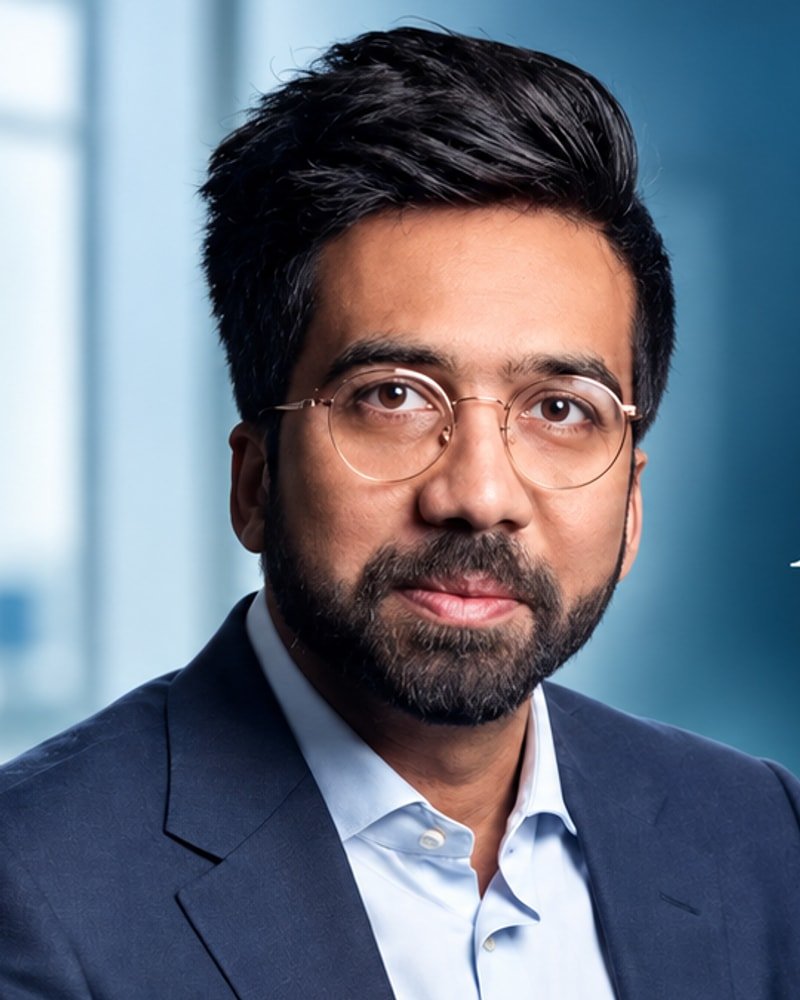 Aman Mehta · Torrent Pharmaceuticals
From strengthening India’s chronic-therapy leadership to integrating major acquisitions and shaping a broader growth agenda, Aman Mehta is emerging as one of the key next-generation leaders in Indian pharmaceuticals.
 Dr. (CA) Ankur Aggarwal · BNW Developments
From chartered accountancy to creating one of the UAE’s fastest-scaling luxury development platforms, Dr. (CA) Ankur Aggarwal is combining financial discipline, branded residences and ambitious expansion to build BNW Developments for the next phase of Gulf real estate.
Choose an assistant to explore this page further.
Opens in a new tab. You can also copy the prompt into your assistant.